Can I quilt if I’ve Never Sewn?
And other questions!
If you are curious about quilting but have never used a sewing machine, you probably have more questions than simply whether or not you will be able to learn. You might also be wondering where to begin, what makes a good first project, how long learning will take, and what happens when you make a mistake.
I was in your shoes in 2021 when I wanted to learn how to sew some cloth napkins in my wedding colours for my cotton anniversary.
Let’s work through some of the most common questions new quilters ask before they get started.
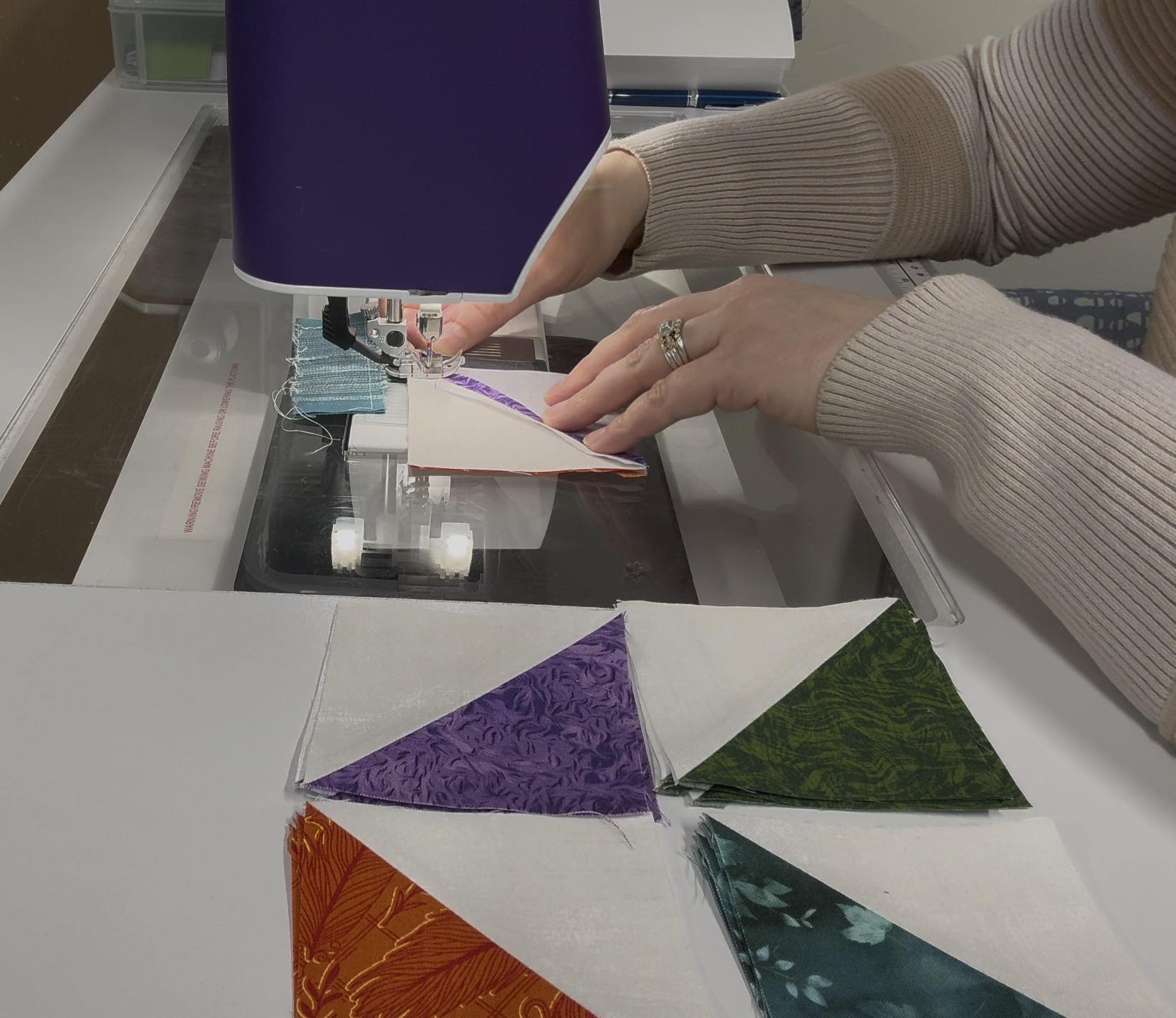
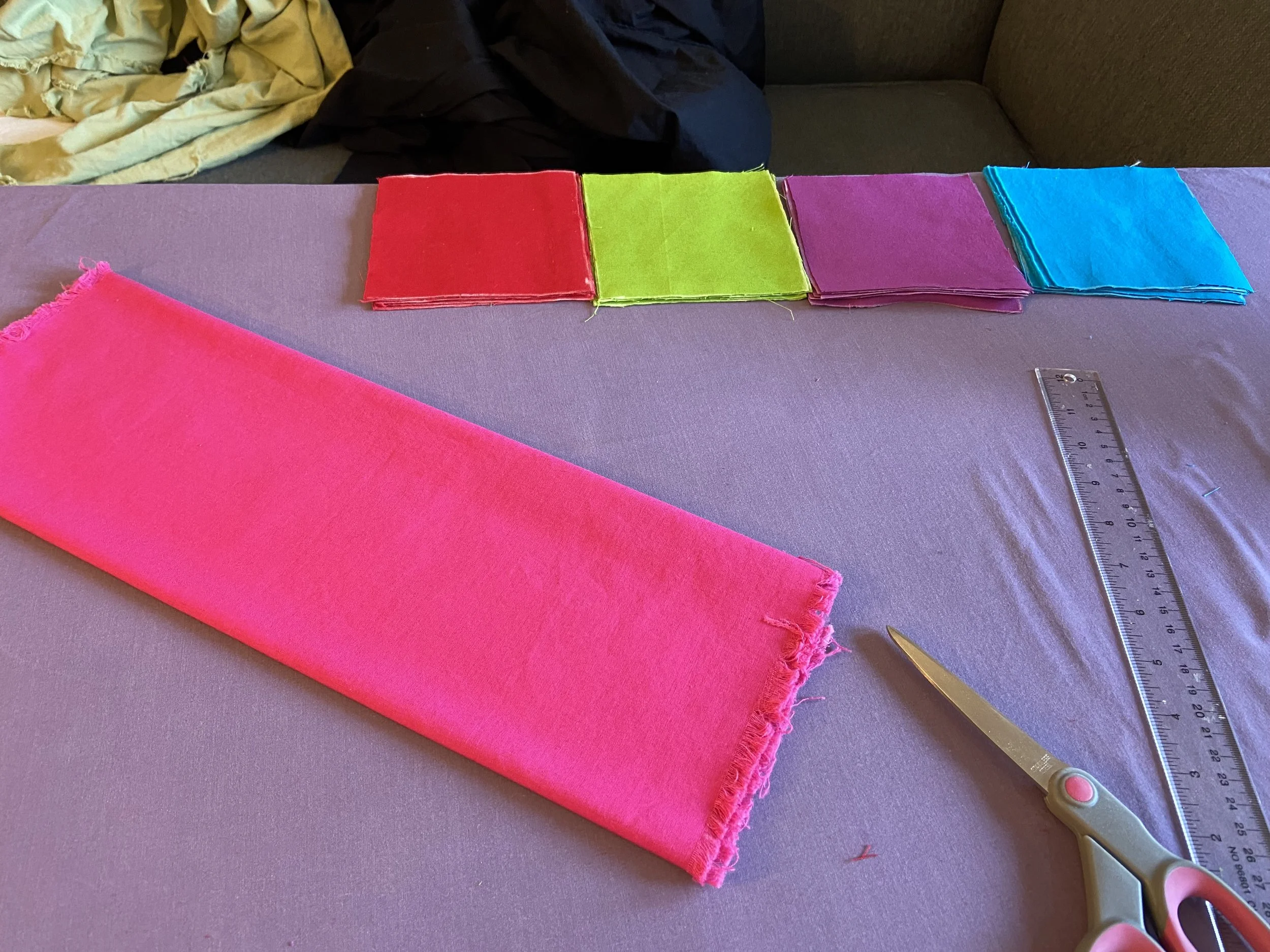
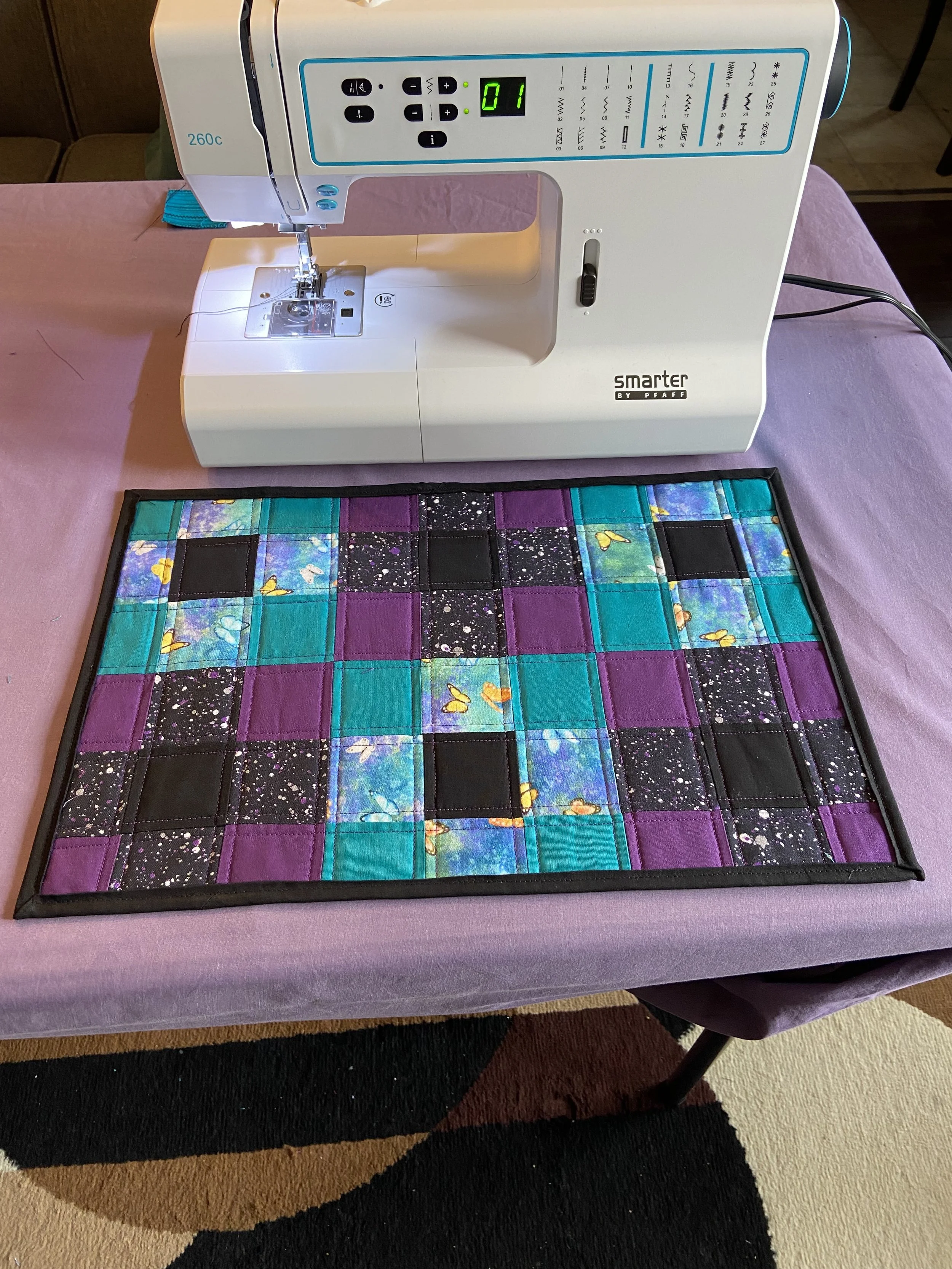
Can I learn to quilt if I’ve never sewn before?
Yes! You can learn to quilt even if you have never sewn anything before.
Quilting is a type of sewing, but it has its own techniques and processes. Someone who has sewn clothing for years will already be comfortable operating a sewing machine but they will still need to learn how quilting fabric is measured, cut, pieced, pressed, and quilted.
There are many different things that can be sewn, and each comes with its own set of skills. Previous sewing experience can be helpful, but it is not a requirement for learning how to quilt.
Do I Need to Know How to Use a Sewing Machine?
If you plan to quilt with a sewing machine, learning how to operate your machine is one of the first steps. However, you do not need to arrive at your first quilting project already knowing how everything works.
Sewing machines range from basic mechanical models to expensive computerized machines, but they generally operate using the same basic principles. Your machine’s owner’s manual is one of the best places to learn how to thread the machine, wind and insert the bobbin, select stitches, and care for it. You may also be able to find videos on YouTube by searching for the brand and model of your machine.
Once the machine is set up, collect a few scraps of fabric and experiment. Try the different stitch settings, adjust the stitch length, and practise feeding fabric through the machine. It can be a lot of fun to discover what your machine can do.
Most quilt piecing involves sewing straight seams ¼” away from the edge of the fabric. Try drawing a few straight lines on scrap fabric and practise sewing along them. You can also draw a line and try sewing ¼ inch away from it.
You do not need to perfect your ¼-inch seam before beginning your first project. Accuracy develops through practice, and every project will help you become more comfortable.
What Sewing and Quilting Supplies Do I Need?
If you are wondering what is essential and which specialty tools can wait, read What Do You Actually Need to Start Quilting? for a practical beginner supply list.
Should I Start With a Small Project or Make a Full-Size Quilt?
That depends partly on your personality.
Are you someone who likes to jump into the deep end and figure things out as you go? Beginning with a full quilt may be the kind of challenge that keeps you interested.
Or do you prefer to understand each part of a process before moving on to something larger? Starting with a few small quilted projects can give you time to practise individual skills without trying to learn everything at once.
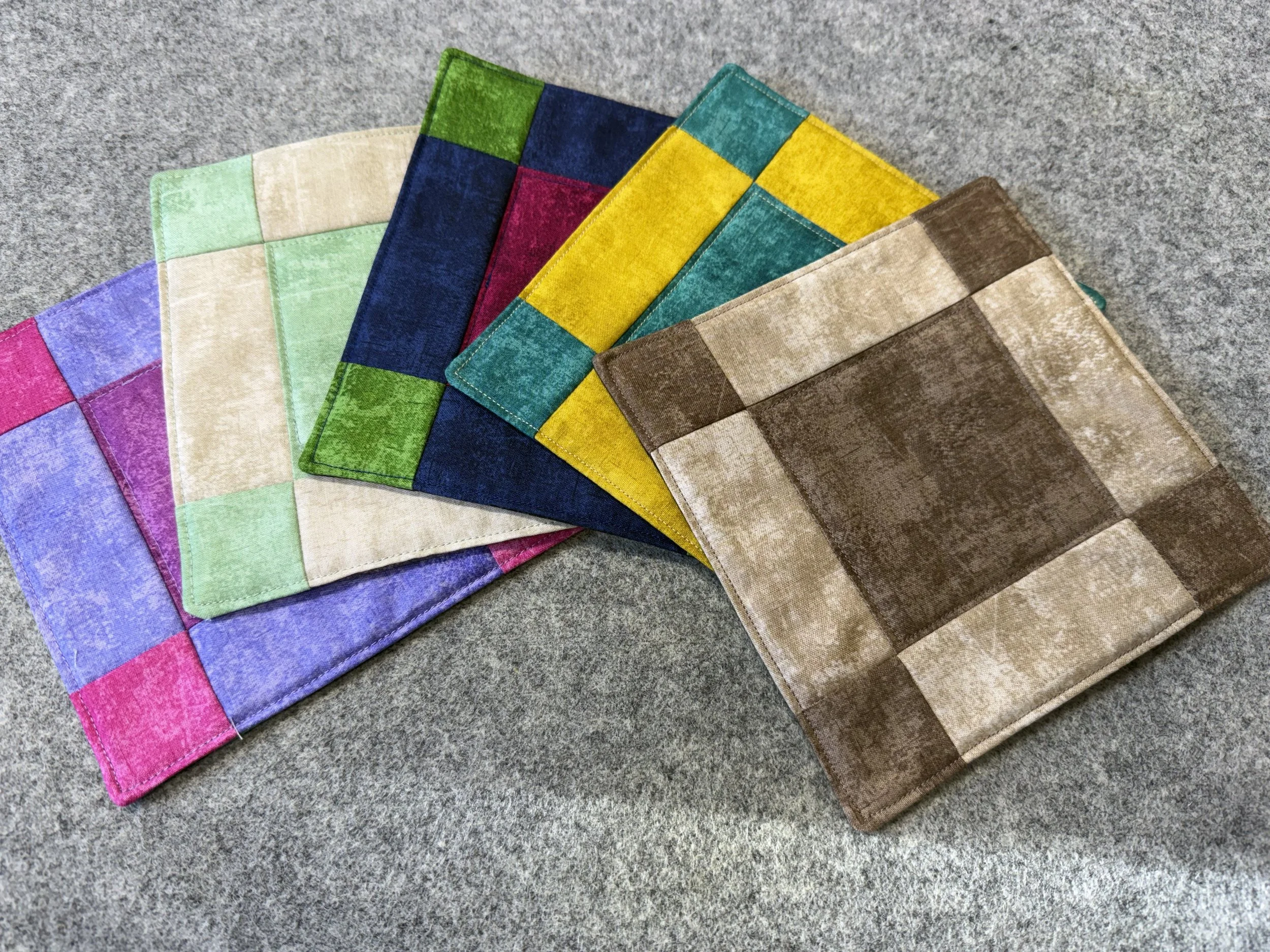
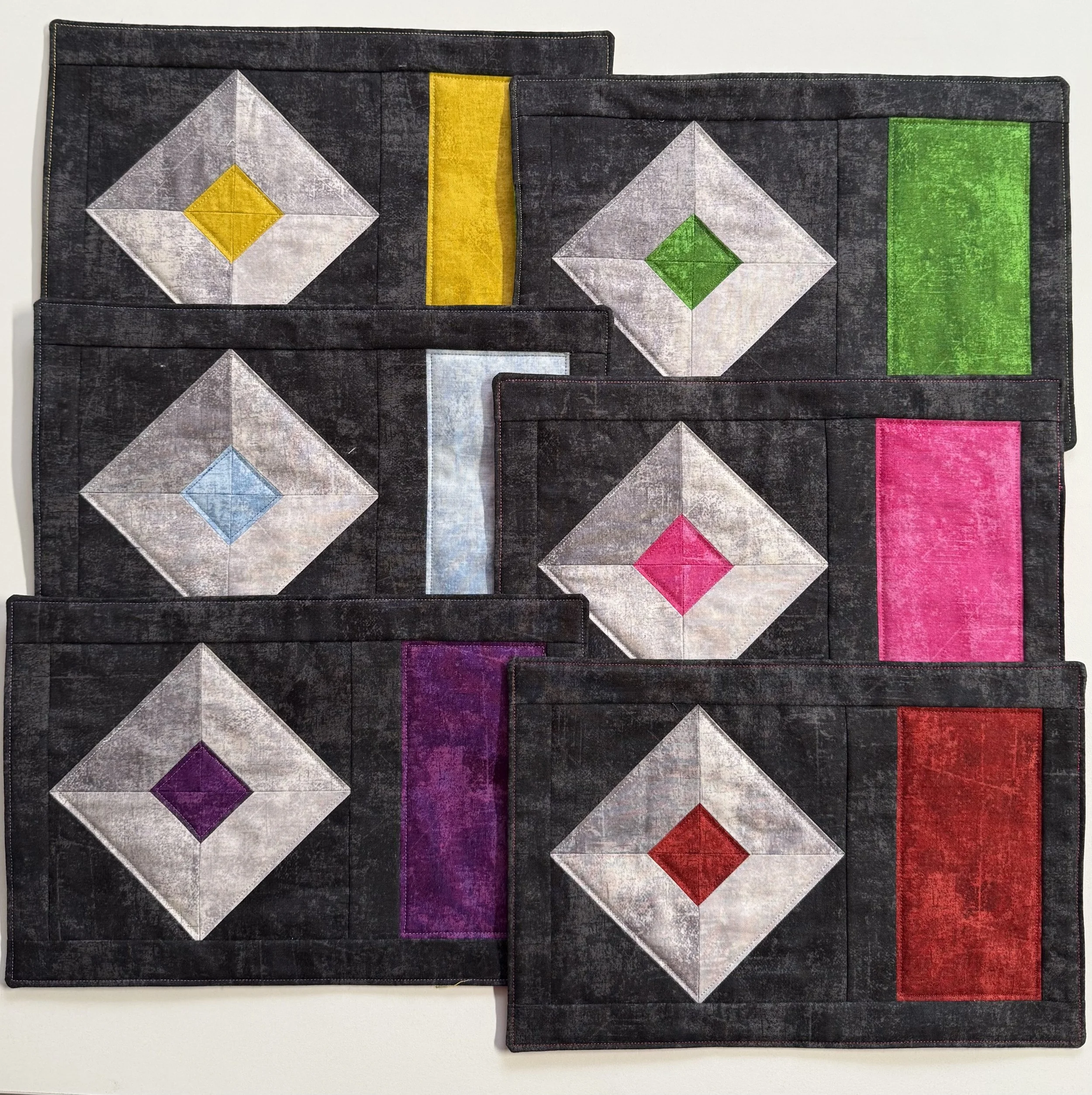
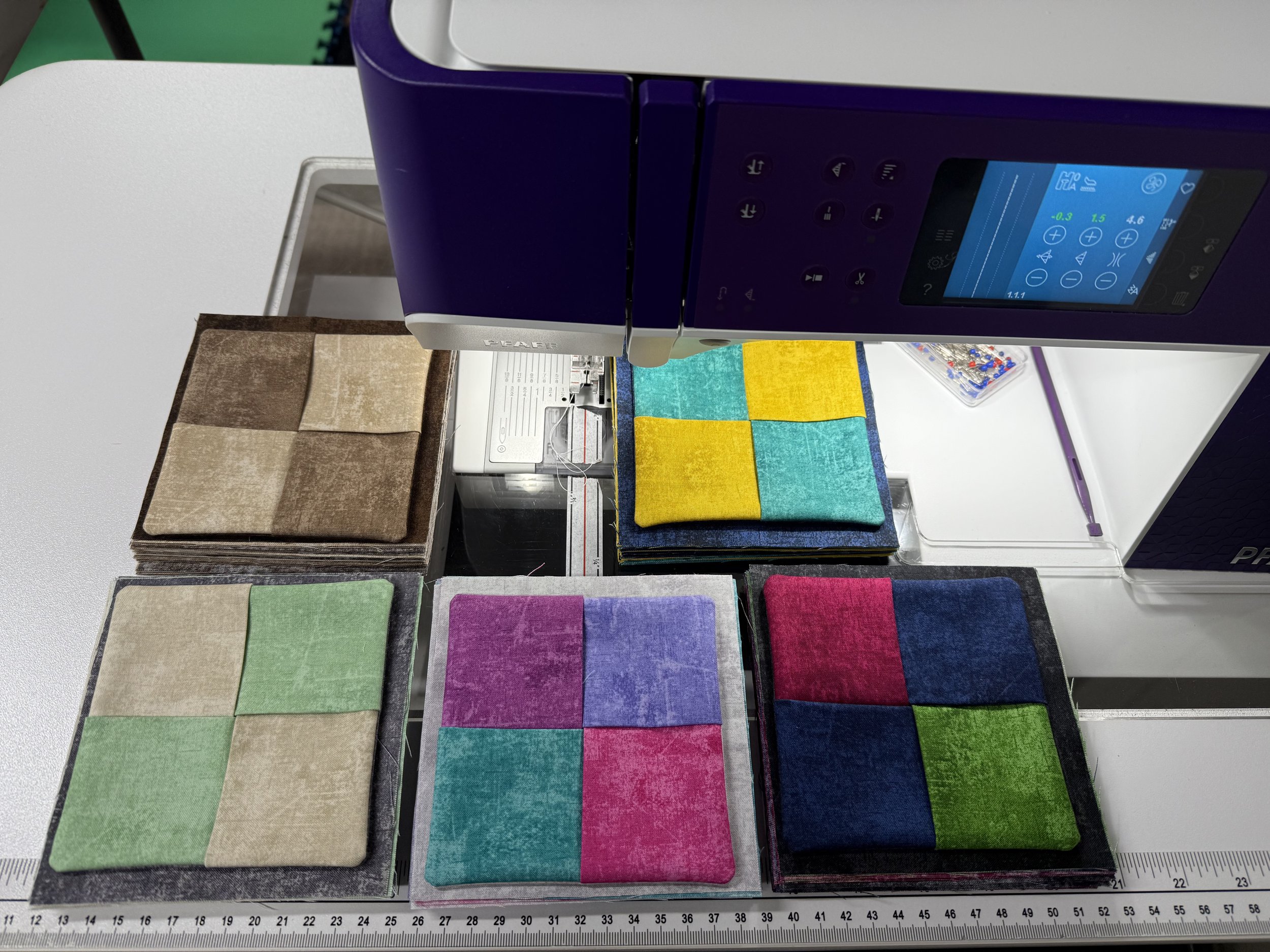
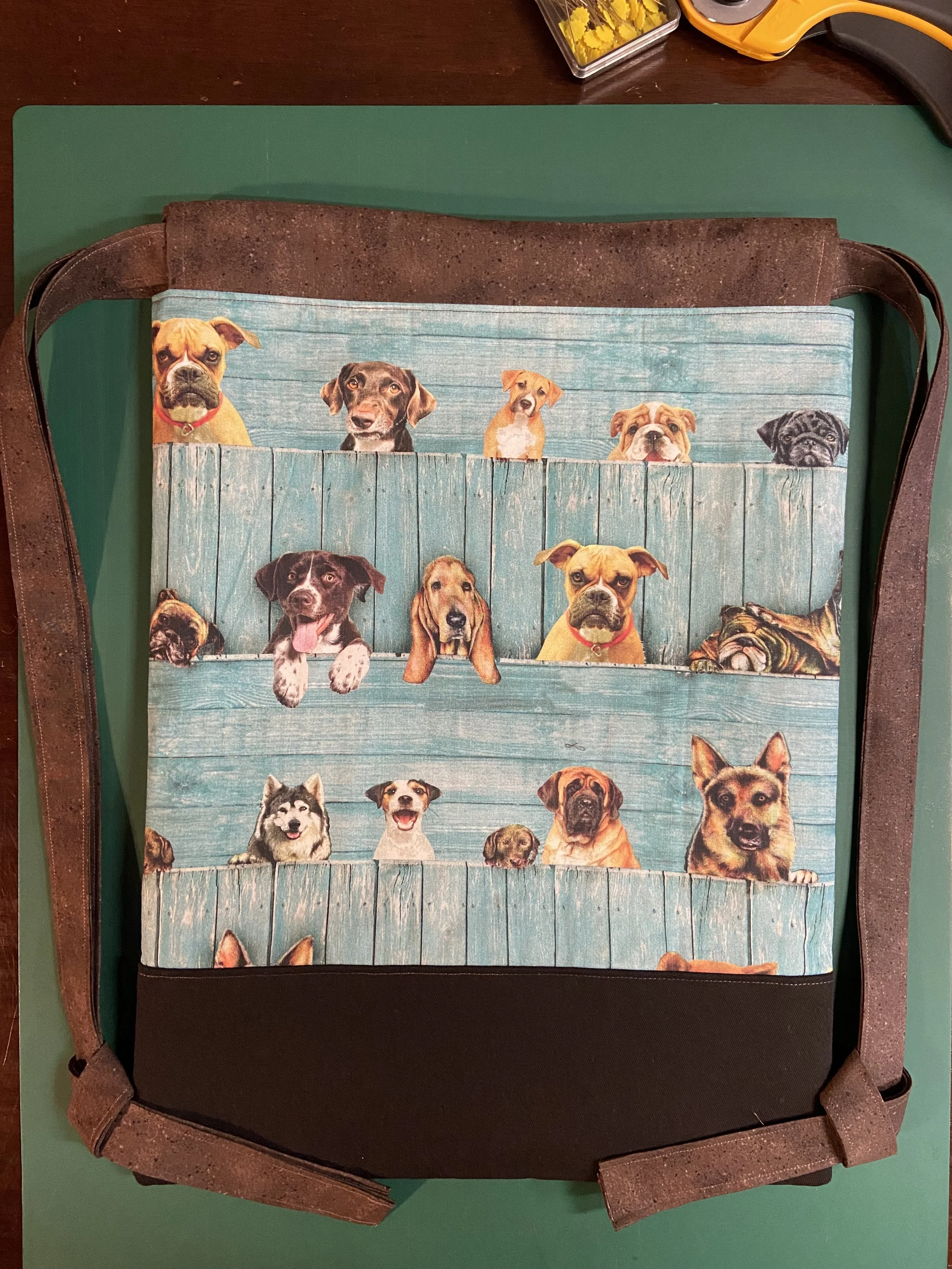
I prefer to learn with something small before moving into a larger project. Small projects can introduce measuring, cutting, piecing, pressing, quilting, and binding in a more orderly way. They also give you some quick wins while you are still learning.
Learning with small projects can be especially helpful if you are completely new to sewing, still becoming comfortable with your machine, or working in a small space.
How Long Does It Take to Learn the Basics of Quilting?
The amount of time it takes will depend on how much time you can spend learning and practising. These times are intended as a planning guide rather than a deadline. Every beginner will work at a different pace.
The three projects in Learn to Quilt: Foundations include approximately 12–15 hours of hands-on project time. When you include watching the lessons, setting up your machine, practising new skills, and working through the natural stops and starts of learning, you may want to allow approximately 20–30 hours altogether.
How these hours fit into a calendar will look different for everyone. You might complete the hands-on project work during a long weekend, or spread the lessons across a month or two. The goal is not to finish quickly. It is to understand what you are doing, enjoy the process, and build the confidence to continue making quilted projects.
What If I Make Mistakes, Waste Fabric, or Discover That I Am Not Good at Sewing?
Mistakes are part of learning to quilt. You will have a difficult time finding an experienced quilter who doesn’t use their seam ripper to take something apart. I keep mine nearby because I still reach for it often enough.
Wasting fabric can feel especially discouraging because fabric is expensive. However, every quilter eventually makes a crooked cut, measures something incorrectly, or trims a quilt block too small. Occasionally, even a pattern contains an error despite the designer’s best efforts.
There is almost always a way to adjust the project, replace a piece, or use the incorrectly cut fabric somewhere else. Learning how to solve those little problems is part of becoming a quilter too.
Most people can learn how to sew and quilt.
The more important questions are whether you want to learn and whether you enjoy the process. Quilters often talk about being “bitten by the quilting bug,” but not everyone who tries quilting falls in love with it - and that is okay! You will not know until you try.
How Can I Start Learning to Quilt?
Check your local library! Does your library have a maker-space with sewing machines and other fabric cutting tools you can use? If they do, this can be an affordable way to try sewing before purchasing a machine and tools of your own.
Learn to Quilt: Foundations will provide another way to learn gradually. Each project introduces new skills in a thoughtful order, beginning with folded coasters and building toward a completed quilted game board. When enrolment opens, you will be able to purchase the course.
If you live in Canada, you will also have the option to purchase a ready-to-sew kit. The fabric preparation will be completed for you, removing some of the measuring and cutting from your first experience so you can get to the fun part of sitting down at the machine and sewing.
You do not need previous sewing experience, a sewing room filled with specialty tools, or the confidence to make a full-size quilt. You just need to begin.
Is Learn to Quilt: Foundations the right course for you? Find out here!
You can also sign up for the course waitlist below.
About the author:
Krista Russell is the quilt pattern designer, longarm quilter, and educator behind Timeless Quilt Studio. She combines her hands-on quilting experience with a Bachelor of Education and approximately 15 years of teaching experience to help beginners learn through clear, practical projects.
